
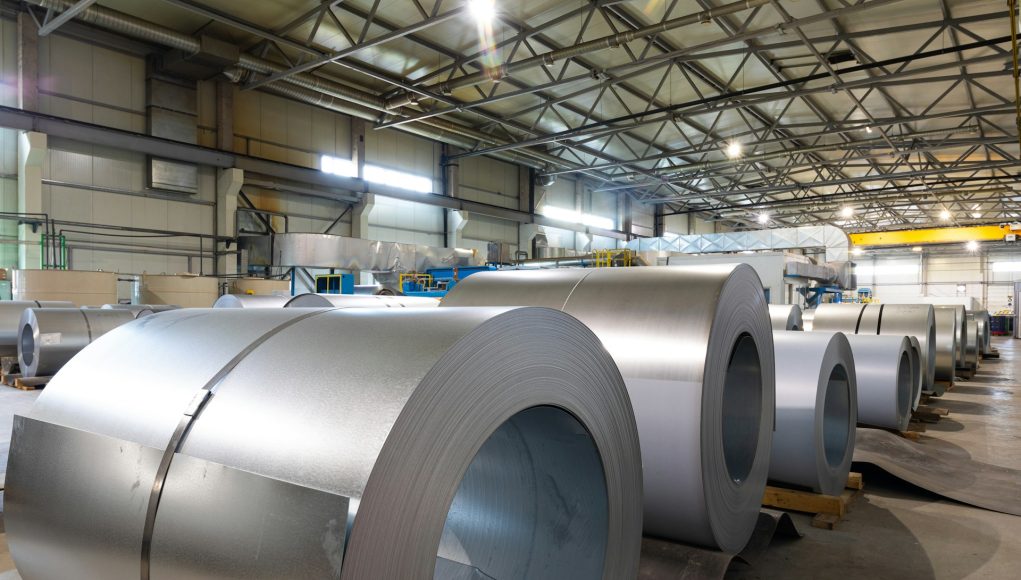
Most people have never heard of a steel stockholder. They probably should have.
These companies sit between massive steel mills and the businesses that actually use the stuff — construction firms, manufacturers, fabricators, infrastructure developers. Steel stockholders buy in bulk, store it, cut it down, process it, and ship exactly what customers need, when they need it. No waiting for a mill to run a new batch. No ordering 10 tonnes when you only need two.
Here’s the thing: without them, a huge chunk of modern industry would slow to a crawl.
What They Actually Do
Steel stockholders aren’t manufacturers. They don’t smelt ore or cast billets. What they do is hold inventory — bars, sheets, plates, tubes, structural sections — sourced directly from mills, then make those materials available in practical quantities to end users.
That sounds simple. It isn’t.
A construction company might need structural beams cut to seven specific lengths for a project starting Monday. A fabrication shop might want high-grade precision stock delivered Tuesday morning. A manufacturer might need surface-finished plate in a grade most mills don’t stock in small quantities. Steel stockholders handle all of it.
Beyond storage and supply, most offer real processing capability: sawing, drilling, surface finishing, precision cutting. They manage delivery logistics. And the good ones offer genuine technical advice on material selection — which grade suits the application, which spec meets the regulatory requirement.
Why Availability Changes Everything
Mills operate on large batch cycles. Their economics demand it. But that rhythm doesn’t line up neatly with the needs of a fabrication workshop on a tight deadline, or a contractor who just received a revised spec at 4pm on a Friday.
Steel stockholders solve that mismatch by holding ready-to-use materials locally or regionally. When a project hits a snag and needs additional structural steel fast, there’s no waiting weeks for mill production. The stock is already there.
Consistency matters too — maybe more than speed. Materials held by reputable steel stockholders are stored under controlled conditions, fully traceable to source. For regulated sectors like construction or energy, that traceability isn’t optional. It’s the whole point.
Choosing the Right Supplier
Not all stockholders are the same. Businesses evaluating options tend to look at a few key things:
- Range of available grades and forms
- Processing and fabrication capability
- Delivery speed and reliability
- Quality certifications and compliance standards
- Technical knowledge of the sales team
Project complexity matters here. A straightforward order might just need fast delivery and competitive pricing. A more demanding engineering project benefits from a supplier who can advise on material properties, offer additional processing, and flex when specs change mid-project. That’s a different kind of relationship — closer to a supply partner than a catalogue vendor.
The Real Commercial Benefits
Working with steel stockholders offers advantages that go beyond just getting materials delivered.
Efficiency. Ready stock plus processing services compresses the gap between design and production. Companies spend less time managing supply and more time on actual output.
Cost control. Buying direct from a mill in bulk quantities is impractical for most businesses. Steel stockholders let buyers purchase exactly what a project requires — reducing waste, cutting storage overhead, and avoiding tied-up capital.
Flexibility. Projects change. Specs get revised. Timelines shift. A good stockholder can respond quickly — different cuts, alternative grades, adjusted quantities. That responsiveness keeps projects moving when things go sideways.
Technical support. Experienced stockholders know their materials. That knowledge is genuinely useful when a buyer needs guidance on corrosion resistance, weldability, or tensile strength for a specific application.
The Challenges They’re Up Against
Steel stockholders operate in a tough environment. Price volatility is a constant headache — global demand, energy costs, and raw material availability can all shift steel prices sharply and quickly. Managing inventory through those swings requires careful judgment.
Storage and logistics aren’t cheap either. Heavy steel requires real space and handling infrastructure. Delivery costs are significant.
Demand is lumpy. Construction cycles, infrastructure investment, and manufacturing activity all fluctuate — sometimes seasonally, sometimes unpredictably. Forecasting well enough to hold the right stock without sitting on excess is genuinely difficult.
And then there’s sustainability. Pressure from customers and regulators is pushing the sector toward lower-emission sourcing, better recycling practices, and more efficient operations. Adapting to that takes investment and commitment.
Where the Sector Is Heading
A few trends are reshaping how steel stockholders operate.
Digital integration is accelerating. Online ordering, real-time inventory tracking, and automated processing systems are becoming standard rather than differentiators. Customers want visibility and speed — the companies investing in systems are delivering it.
Value-added processing is growing. The shift from “we supply steel” to “we supply processed, ready-to-use components” is well underway. That means machining, precision cutting, assembly support — services that turn a distributor into something closer to a manufacturing partner.
Sustainability is no longer optional. Responsible sourcing, reduced waste, efficient energy use — buyers are asking about these things, and they’re starting to choose suppliers based on the answers.
The Bigger Picture
Think about a large infrastructure project. Steel stockholders aren’t just supplying material — they’re ensuring consistent availability across months of construction, responding to revised requirements, delivering to schedule even during periods of high demand. That’s not passive distribution. That’s active supply chain management.
Same story in manufacturing. Precision components arriving ready for immediate use in a production line — that’s the difference between continuous output and stoppages.
The role of steel stockholders in industrial supply chains is substantial, and it’s growing. As supply chains get more complex and customer expectations for speed and accuracy keep rising, the companies that adapt — better systems, stronger processing capability, genuine sustainability credentials — are the ones that will define what this sector looks like in ten years.
For any business that relies on steel, the choice of supplier isn’t administrative. It shapes cost, efficiency, and whether projects actually land on time.