
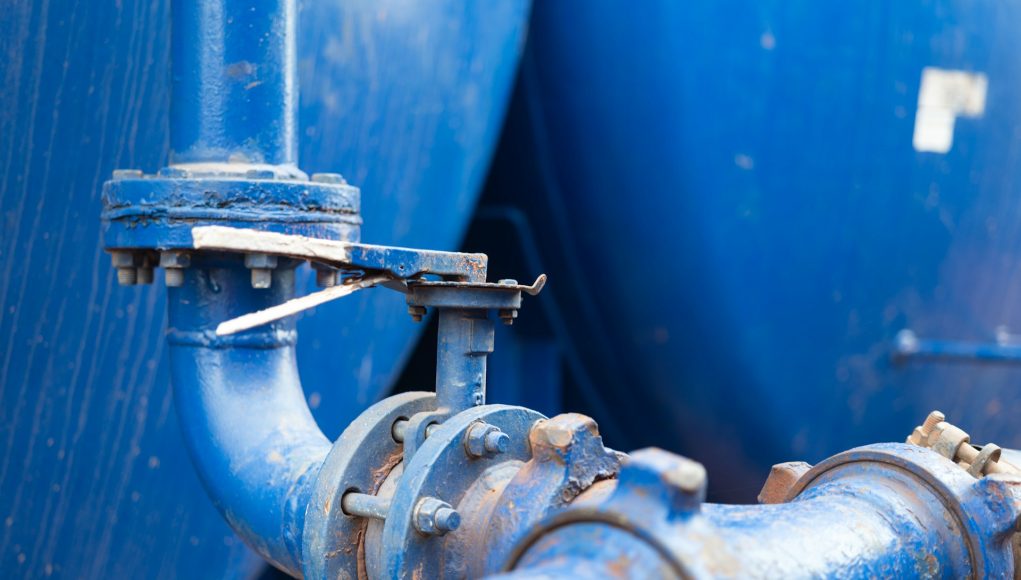
Most people never think about where their water comes from. Not the reservoir or the treatment plant — but the unglamorous, often underground machinery that actually moves it. That’s where a water pumping station comes in.
These facilities are the muscle behind modern water infrastructure. They push water uphill, across cities, through industrial plants, and into agricultural fields where gravity simply can’t do the job alone. Without them, water supply would be dictated entirely by terrain — and that’s a problem in pretty much every populated place on earth.
What They Actually Do
At its core, a water pumping station uses mechanical pumps to move water through pipelines. Simple concept. The execution? Considerably less so.
Stations serve different roles depending on where they sit in the network. Some pull raw water from rivers, lakes, or underground aquifers and send it toward treatment plants. Others — called booster stations — step in mid-network to compensate for pressure drop over long distances or elevation changes. Still others keep municipal distribution systems running at consistent pressure, ensuring the tap on the 12th floor works as well as the one on the ground level.
The problems they solve come down to four things: elevation changes, transmission distance, pipeline pressure loss, and variable demand across a supply zone.
How the Process Runs
Walk through a typical station and you’d see something like this: water enters an intake chamber, sensors detect demand or pressure thresholds, pumps kick on, water moves through the system at a controlled pressure, valves regulate direction and flow, and monitoring systems make adjustments in real time.
Modern stations don’t need much human intervention day-to-day. Automated controls handle the fluctuations — demand spikes in the morning, drops overnight, surges during a heatwave — without anyone flipping a switch. The goal is stable, continuous flow. Pressure surges and dead zones are both bad outcomes.
The Components That Make It Work
A water pumping station is more than just a pump bolted to a pipe. The core components include:
- Pumps — the obvious bit; the mechanical heart of the system
- Electric motors — provide the energy driving the pumps
- Piping systems — move water in and out
- Valves — control pressure and flow direction
- Control panels — automate operations and track system behaviour
- Sensors and instrumentation — measure flow rate, pressure, and water levels continuously
Every one of these needs to be selected carefully. A mismatched pump or an undersized motor doesn’t just underperform — it can bring down the whole system.
Design: Where the Real Engineering Happens
Here’s where it gets genuinely interesting.
Designing a water pumping station isn’t just about picking a powerful pump and calling it done. Engineers have to model peak and average demand, account for future population growth, factor in energy costs, and plan for failure scenarios — all before a single piece of equipment is ordered.
Capacity planning is the starting point. Undersize the system and you get shortages during peak demand. Oversize it and you’re running expensive equipment at a fraction of its efficiency for decades. Neither is acceptable.
Energy efficiency is the other major concern. Pumping is energy-intensive. In large municipal systems, electricity for pumping can represent a substantial chunk of operating budgets. Variable speed drives — motors that adjust their output to match real-time demand rather than running flat out constantly — have become standard for exactly this reason.
Site conditions matter too. Soil stability, flood exposure, proximity to the water source, available power supply — all of it feeds into the design. Stations in flood-prone areas need elevated structures or serious waterproofing. Stations in remote locations need robust backup power.
And then there’s redundancy. Most modern installations run multiple pumps, not just one. If a pump fails (and eventually, they all do), the backup activates automatically. Same principle applies to power supply — many stations have emergency generators precisely because a water outage during a power cut would be a serious problem.
The Operational Headaches
Water pumping stations aren’t maintenance-free. Far from it.
Energy consumption is the ongoing cost nobody loves talking about. Keep a station running 24 hours a day, 365 days a year, and the electricity bill adds up fast. Poor system optimisation makes it worse.
Maintenance is constant. Pumps wear. Filters clog. Sensors drift out of calibration. Mechanical seals fail. The stations that operate reliably long-term are the ones with disciplined inspection and servicing routines — not the ones that wait for something to break.
System vulnerability is real, too. A pump failure, a control system glitch, a power outage — any of these can disrupt supply quickly. The catch is that some failure modes aren’t predictable, which is why remote monitoring and real-time data have become so valuable. You’d rather catch a pressure anomaly at 2am than discover a burst main at 8am.
Where the Industry Is Heading
The design of a water pumping station has changed more in the last decade than in the previous several combined.
Smart monitoring systems now track performance continuously, flagging inefficiencies or early-stage faults before they escalate. Predictive maintenance — using sensor data to anticipate failures rather than react to them — is becoming standard practice in larger networks.
High-efficiency pump technology has cut energy use significantly in new installations. Modular, compact station designs are gaining ground in urban environments where space is at a premium and scalability matters.
And climate pressure is pushing the whole sector toward better water loss management. Leaks and inefficiencies that were once tolerated are now operational priorities — both for cost reasons and because water scarcity is a genuinely growing concern in many regions.
The water pumping station isn’t glamorous infrastructure. But strip it out of the equation and the modern water system simply doesn’t function. That’s about as essential as it gets.