Events have changed. Guests don’t just want a drink — they want an experience, an atmosphere, something worth remembering. That’s a big part of why mobile bar hire has taken off the way it has.
The concept is simple: a fully equipped, staffed bar comes to you. No permanent venue required. Whether it’s a barn wedding, a product launch in a converted warehouse, or a garden party on someone’s estate, the bar shows up ready to go.
Here’s what you need to know.
What It Actually Is
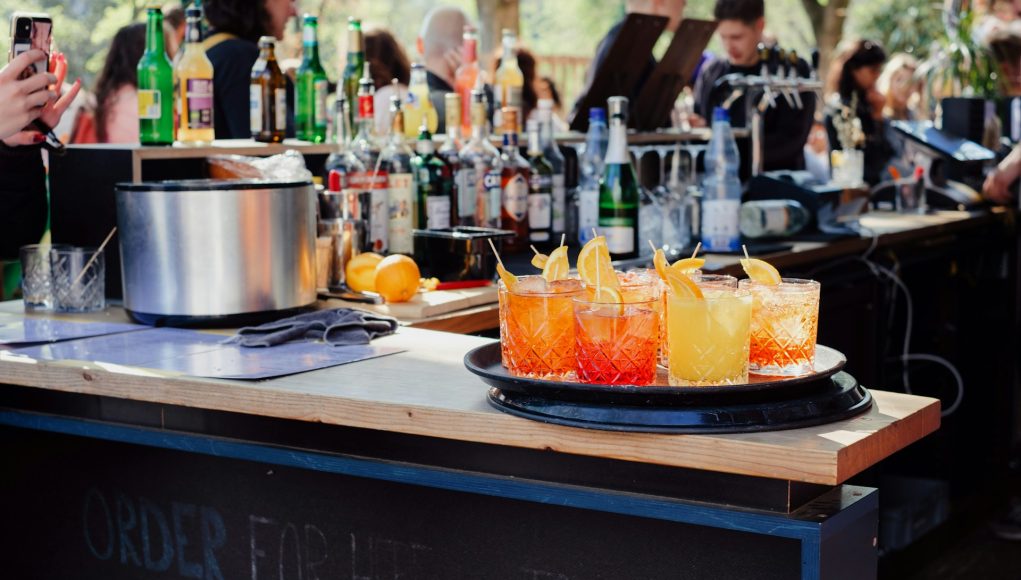
Mobile bar hire means renting a portable bar service — typically a self-contained unit, staffed by professional bartenders, stocked to match your event. Setups vary wildly: rustic wooden bars, slick illuminated counters, converted vehicles. Some look like something out of a speakeasy. Others are clean and modern.
Common uses include weddings, corporate functions, music festivals, and milestone birthday parties. The appeal? You’re not locked into whatever the venue offers.
Why People Keep Choosing It
Fixed venue packages are convenient. They’re also often inflexible, overpriced, and generic.
Mobile bars flip that. You pick the drinks. You pick the look. You pick the location — even if that location has never had a bar in it before.
A few specific reasons mobile bar hire has surged in demand:
Location freedom. A field, a rooftop, a Victorian mill. None of these have built-in bar infrastructure. A mobile bar doesn’t care.
Custom menus. Craft cocktails, local ales, non-alcoholic options, themed drinks — providers can usually build something specific to the occasion rather than pushing a generic list.
Cost control. When you’re not tied to venue catering margins, you often get better value. Packages vary, but the ability to negotiate based on exact guest numbers and drink selection helps.
Better atmosphere. A well-designed bar draws people in. It becomes a social anchor for the event — people gather, conversations happen, the energy shifts.
What Separates Good Providers from Average Ones
Not all mobile bar services deliver the same thing. Quality varies, and it’s worth knowing where to look.
Staff experience matters most. A great bartender keeps queues moving, mixes drinks consistently, and stays professional when things get hectic. An average one does the opposite.
Equipment tells you a lot. Modern setups include proper refrigeration, draught taps, cocktail stations, LED lighting. Cut-rate providers often cut corners on exactly this stuff — and it shows during service.
Flexibility in the menu. Rigid packages are a red flag. A good provider adapts to your event; they don’t expect your event to adapt to them.
Licensing. This isn’t optional. Any legitimate mobile bar hire operator must comply with licensing laws and ensure staff are trained in responsible alcohol service. Always ask about this upfront.
The Practical Stuff Nobody Warns You About
Here’s where it gets more complicated.
Space. Even compact bars need room — for the unit itself, storage, and guest flow. If your venue is tight, check dimensions before you commit.
Power and water. Outdoor or remote locations can create real headaches. Who’s supplying the electricity? Is there water access? These questions matter more than people expect.
Weather. Outdoor events are vulnerable. Wind, rain, cold — all of these affect both the setup and the guest experience. A good provider will have contingency options; a bad one won’t mention it until it’s too late.
Budget creep. A basic mobile bar hire can be cost-effective. Premium setups with extensive menus, large bartending teams, and high-end aesthetics can climb quickly. Get a full breakdown of what’s included before signing anything.
Where the Industry Is Heading
There are a few shifts worth paying attention to.
Sustainability is becoming a real selling point. Providers reducing single-use plastics, sourcing drinks locally, and using energy-efficient equipment are increasingly common — and increasingly expected.
Non-alcoholic menus have grown from an afterthought into a genuine offering. Mocktails, craft soft drinks, alcohol-free spirits — demand is high enough that skimping on this now looks like a mistake.
Themed experiences are big. Vintage cocktail bars, tiki setups, champagne lounges. The bar isn’t just a service anymore; it’s part of the event design.
Corporate hybrid events are also pulling mobile bars into new territory — in-person service running alongside digital experiences, which creates interesting logistical puzzles.
A Quick Real-World Scenario
Picture a wedding in a converted barn. No permanent bar. No catering infrastructure. The couple opts for mobile bar hire — a rustic wooden setup with cocktail stations and draught taps, stocked with drinks chosen to match the wedding’s colour scheme and vibe.
Guests arrive to something that looks intentional. Not like an afterthought. The bar becomes part of the memory.
Without it? They’re either paying venue prices for limited options or going without. Neither is great.
Choosing a Provider: What to Actually Check
When comparing options, focus on:
- Experience with events similar to yours in size and type
- Transparency in pricing — hidden costs are common in this industry
- Range of bar styles and whether they match your venue’s aesthetic
- Real reviews from real clients (not just testimonials on their own website)
- Exactly what’s included: glassware, staffing hours, setup and breakdown, travel
And ask about contingency plans. What happens if a member of staff doesn’t show? What if equipment fails? How they answer says a lot about how they operate.
Mobile bar hire won’t suit every event. But for organisers who want flexibility, personality, and control over the experience — it’s hard to beat. The industry has matured, the technology has improved, and the options have expanded considerably.
The real question is whether you’ve found the right provider. Get that part right, and everything else tends to follow.