
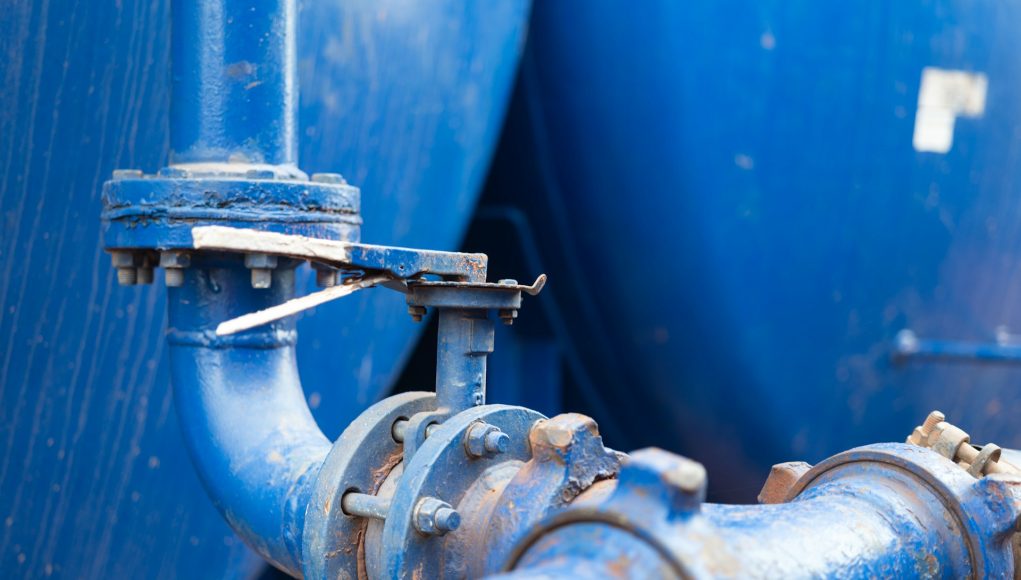
A foul pumping station isn’t glamorous infrastructure. But when gravity won’t do the job, it’s the only thing standing between functional sewage management and a very messy problem.
These systems handle domestic and commercial wastewater in situations where the terrain, building position, or sewer network layout makes gravity drainage impossible. Flat ground, low-lying sites, basement apartments, rural properties sitting well below the nearest main — all of them potentially need mechanical help to shift sewage upward and onward.
So how do they actually work? And what makes a good one?
What a Foul Pumping Station Actually Does
Here’s the basic picture: wastewater flows into a sealed underground chamber — the wet well — and sits there until sensors detect a rising level. Hit the threshold, and the pump kicks in, pushing everything up through a pressurised pipe (the rising main) into the main sewer network.
Simple in principle. Less simple in practice.
The engineering has to account for solids content, flow rates, head height, pump cycling frequency, gas buildup, backflow risk, and a dozen other variables. Miss any of them and you’re looking at blockages, overflows, or equipment that burns out in two years instead of twenty.
Core components typically include:
- A wet well for temporary storage
- Submersible or dry-mounted pumps
- Float switches or electronic level sensors
- Non-return valves to stop backflow
- A control panel managing operation and alarms
- The rising main itself
Two pumps are standard — one working, one on standby. Because when the primary fails at 2am on a bank holiday, you want options.
Design: Where It Gets Complicated
Sizing these systems correctly is where most of the real work happens. Underestimate peak flow and you get overflows. Overestimate and you’ve wasted money on oversized kit that cycles inefficiently and wears out faster than it should.
Pump selection matters too. Where solids are a concern — and with foul water, they always are — cutter pumps are often the answer. They chop through material that would clog a standard impeller.
Odour control is another consideration that often gets underestimated until someone complains. Foul water stored even briefly generates gases. Ventilation systems aren’t optional; they’re essential, particularly near residential properties.
For larger or more complex sites, specialist engineering input is worth the cost. Providers focused specifically on foul pumping station design bring site-specific knowledge that generic contractors often lack — and the regulatory compliance requirements alone justify getting it right the first time.
The Real Trade-Offs
This is where it gets honest. Foul pumping stations solve a real problem, but they come with genuine downsides worth understanding.
They need power. Continuously. That’s an ongoing cost and an environmental consideration that gravity systems simply don’t have.
They need maintenance — regular pump inspections, wet well cleaning, sensor testing, alarm checks. Skip it and things fail. Often at the worst possible moment.
And unlike a gravity sewer, which is essentially a hole in the ground with no moving parts, a pumping station has components that break. Backup systems — standby pumps, alarm telemetry, emergency power — aren’t excessive caution. They’re standard practice for good reason.
Lifecycle costs catch some developers off guard. Installation can be cheaper than deep sewer excavation, especially in difficult terrain. But factor in energy and maintenance over twenty years and the economics look different.
Where They’re Used
The range is wider than most people expect:
Housing developments on flood-prone or low-lying land. Basement flats and underground commercial spaces. Industrial sites with substantial wastewater output. Rural properties too far from the main network for gravity connection to work. Urban regeneration projects trying to connect new buildings to ageing infrastructure without tearing up half the street.
In some of these situations, a foul pumping station isn’t one option among several — it’s the only workable answer.
Technology Is Catching Up
Modern systems are meaningfully smarter than their predecessors. Internet-connected control panels now allow real-time remote monitoring; engineers can spot an anomaly before it becomes a failure. Predictive maintenance — flagging a pump showing signs of wear before it actually breaks — is increasingly practical.
Energy efficiency has improved too. Newer pump designs cut consumption without sacrificing performance, which matters when the system runs continuously for decades.
Prefabricated modular units have also changed installation timelines. Factory-built, tested before delivery, dropped into a prepared excavation — faster and often more consistent than site-built alternatives.
The Bottom Line
A foul pumping station makes development possible in places conventional drainage can’t reach. That’s not a minor thing — it’s often the difference between a site being viable or not.
But they’re active systems with real operational demands. Design them right, maintain them properly, and they’ll run reliably for decades. Cut corners on either and problems follow predictably.
The technology is getting better. The fundamentals, though, haven’t changed: get the engineering right at the start, build in redundancy, and don’t treat maintenance as optional.