
Despite growing adoption across the UK, modular buildings remain widely misunderstood. While demand for faster, more flexible construction solutions continues to rise, outdated perceptions still prevent some businesses from considering modular construction as a credible alternative to traditional building methods. Many of these misconceptions are rooted in early forms of modular building that no longer reflect modern standards, technology or design capability.
Addressing these myths is essential for organisations looking to make informed decisions about space, cost and long-term flexibility. Modern modular buildings are fundamentally different from the temporary structures many people still associate with the term.
Myth 1: Modular buildings are low quality
One of the most persistent misconceptions is that modular buildings are inferior in quality compared to traditionally constructed buildings. This belief often stems from older temporary units that prioritised speed over durability. In reality, modern modular buildings are constructed to rigorous standards, using durable materials and strict quality-control processes.
Factory-based manufacturing allows for a level of consistency that is difficult to achieve on traditional construction sites. Components are produced in controlled environments, protected from weather conditions and built using repeatable processes. Each module is inspected at multiple stages, reducing the likelihood of defects or inconsistencies.
Many modular buildings are designed for permanent use and meet the same structural, fire safety and performance standards as conventional buildings. In some cases, the quality achieved through off-site manufacturing can exceed that of traditional construction due to tighter controls and precision engineering.
Myth 2: Modular buildings are only suitable for temporary use
While modular buildings are frequently used as temporary solutions, this does not define their capability. The assumption that modular equals short-term is increasingly outdated. Across the UK, modular construction is being used for permanent offices, schools, healthcare facilities and commercial premises.
The ability to relocate or reconfigure a modular building does not diminish its durability or performance. Instead, it enhances long-term value by providing flexibility that traditional buildings often lack. A modular building can be installed as a permanent structure while retaining the option to adapt or relocate it later if requirements change.
For businesses operating in uncertain or evolving environments, this flexibility can be a significant advantage rather than a limitation.
Myth 3: Design options are limited
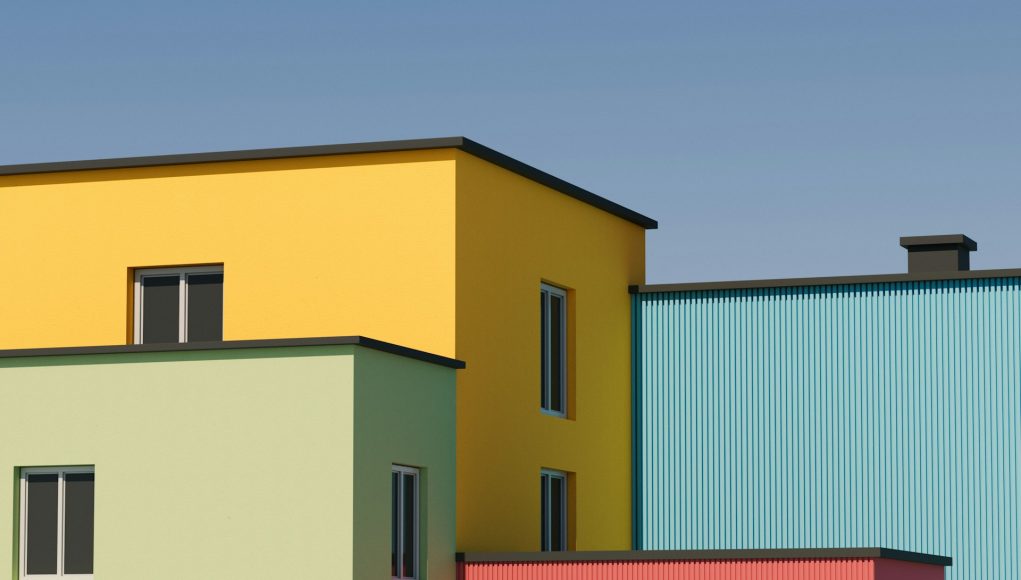
Another common misconception is that modular buildings lack design flexibility and all look the same. While early modular solutions were often standardised and functional, modern modular construction offers extensive customisation options.
Layouts can be tailored to specific operational needs, with a wide choice of internal finishes, external cladding materials and architectural features available. Modular buildings can be designed to complement existing structures or meet planning requirements, including aesthetic considerations in sensitive locations.
Bespoke modular buildings are now common, allowing organisations to align their buildings with branding, workflow and long-term use rather than settling for generic designs.
Myth 4: Modular buildings struggle to meet regulations
Some businesses assume modular buildings face greater compliance challenges. In reality, modular buildings are designed specifically to meet UK building regulations, including fire safety, accessibility and energy efficiency standards.
Factory-controlled construction often makes compliance easier to achieve, as components can be tested, certified and verified before arriving on site. Fire resistance, insulation performance and accessibility features are integrated into the design rather than added later.
Because designs are standardised and proven, modular buildings can sometimes progress through regulatory approvals more smoothly than traditional builds, where on-site variables can introduce risk and delay.
Myth 5: Modular construction is not environmentally responsible
There is a growing assumption that sustainability and modular construction are incompatible. In practice, the opposite is often true. Modular construction can deliver significant environmental benefits compared to traditional building methods.
Off-site manufacturing reduces material waste through precise measurement and efficient processes. Fewer deliveries and shorter on-site build times result in lower transport emissions and reduced site disruption. Many modular buildings are also designed for energy efficiency, incorporating high levels of insulation and modern heating and ventilation systems.
In addition, the ability to relocate or repurpose modular buildings extends their lifespan and reduces the need for demolition and rebuilds, supporting more sustainable use of resources.
Changing perceptions in a modern construction industry
As modular construction continues to evolve, these myths are gradually being replaced by a more accurate understanding of its capabilities. Advances in design, manufacturing and regulation have transformed modular buildings into high-quality, compliant and adaptable solutions suitable for a wide range of applications.
For UK businesses seeking cost-effective, flexible and future-proof building solutions, modular construction represents a credible and increasingly mainstream option. Overcoming outdated assumptions is a key step in recognising the full potential of modern modular buildings.